
What is the Customer Value Journey?
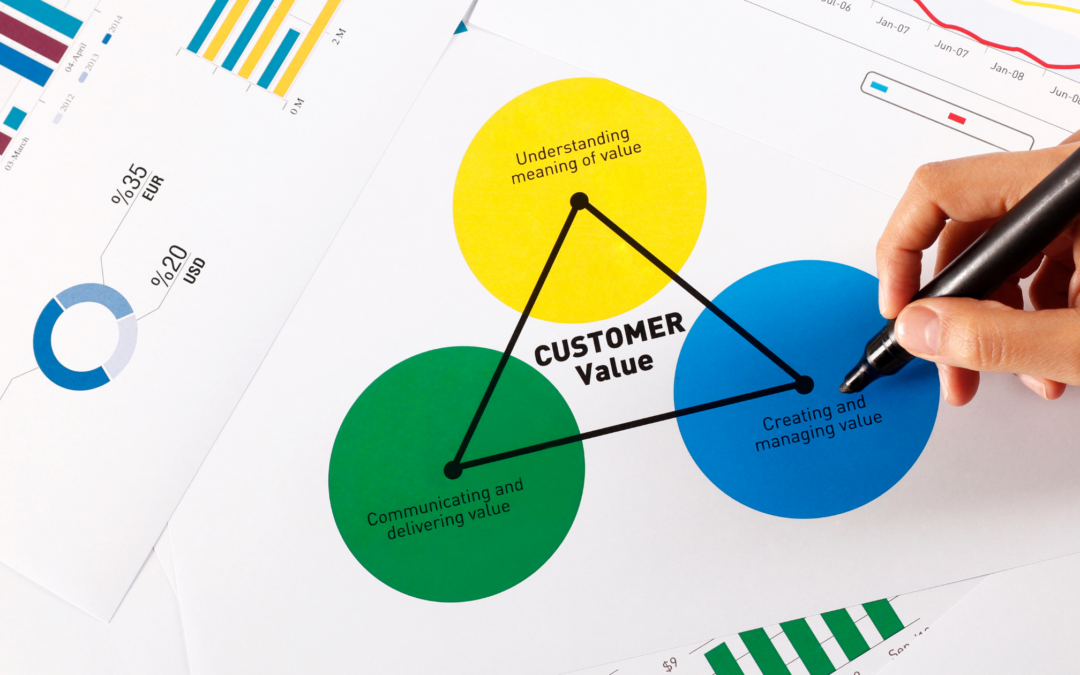
The customer value journey is the process that attracts and converts customers and keeps them coming back.
In digital marketing, it is important to follow the steps of the customer value journey to increase your sales because today’s buyer is more knowledgeable than ever before. The detailed information is available at the fingertips of the buyer, so before proceeding with the purchase they research all the information related to the products and after that, they proceed with the purchase. Because of this, the balance of power in most sales negotiations has shifted from the sales rep to the buyer.
This is why the pushy sales strategy is no longer as effective as it used to be. Customer value journey is the strategy that helps digital marketers to improve their conversions and sales and Return on investment (ROI).
The customer value journey defines how marketers can convert their stranger buyers into familiar buyers by attracting them at each step of the buying journey and converting them with their best-in-market strategy.
What is the Buyer Journey?
If we talk about the buyer’s journey it means understanding what buyers do before buying, what they look for, what they think, and their way of finding things, and so on. In simple words, we can say that a buyer’s journey describes a buyer’s path to buy. Understanding a buyer’s journey is important because no buyer wakes up and decides to buy a new product or service, first they go through a process of becoming aware, considering and evaluating, and then they decide to purchase.
It is important to understand the buyer’s journey, what kinds of problems they are facing, and what factors are affecting them during their shopping journey. So, you can easily influence your buyers.
Given below are the steps in the customer value journey that aims to guide your ideal customer on their journey from an unsuspecting prospect to an enthusiastic promoter.
- Awareness
In the buyer’s journey first, experience or analyze the problem or pain of buyers for what they are looking for, what type of information they need after that frame their problems in a clear way so that they can easily understand. Through advertising, blog posts, events, word-of-mouth, social media, or any other channel put their solutions in front of them. In the awareness stage, you have to make an impression on the buyer through advertising. It can be organic or paid advertising, a referral, and so on.
- Engagement
Emotional engagement or commitment with buyers is known as engagement. You can build engagement with your buyers or customers across multiple channels by sharing content such as blog content, FAQs, relevant case studies on your website, or posts on social channels such as YouTube, LinkedIn, or Facebook. Engagement is essential for building a deep relationship with the customer.
- Subscribe
Describe relevant and pain points in your content so that customers will be willing to hear more content from you and eventually ask them to subscribe to your channel or page. Many people do not like to give their personal details like email id to anyone. So, you have to offer something valuable like free samples of products or checklists, reports, and guides, blog subscription, a content download, a newsletter, etc. So, they trust you and fill a form to get it. And in this way, you can easily get the details of your customers.
- Convert
The customer’s conversion rate increases if they are interested in your free offer and value your answers or spend their time or money in exchange for a product or service. From here you get an idea of what your customers choose and where they want to spend the money, so focus on that part where your attention is needed.
- Excite
Developing excitement in your prospect by unique products or services offered and by explaining about your products and how they are essential for them. The more you can get your new customers excited about their purchase, the more you’ll win them over. You can excite your customers by offering surprising things like extra bonuses, free gifts, or quick wins that make your customers happy.
- Ascend
If a purchase is made from you once then more purchases are likely to increase when they are in the midst of buying excitement, so this stage provides them with some better offers or advice, In-depth knowledge of products that will give you great results. The objective of the ascending stage is to increase customer value and satisfaction.
Advocate
Throughout your journey so far, you have been building trust, delivering value, and nurturing long-term customer satisfaction. Then in this stage, you get a happy customer if you are successful in the above journey and happy customers are more willing to share their experiences with others. Many people are willing to share their reviews but they usually need to ask. So, send an automated email asking for a review of what they experienced with your services.
Promote
In this stage focus on building brand promoters who are influencing your audience on your behalf. Promotions may include affiliate or referral programs, etc. Sometimes happy customers promote your products and services by themselves to others. Different companies use different tactics to promote their products, some incentivizing new customers to refer others and some giving affiliates a commission for each referral they send.

Recent Comments